A Podiatrist’s Role in Relieving Ankle Pain

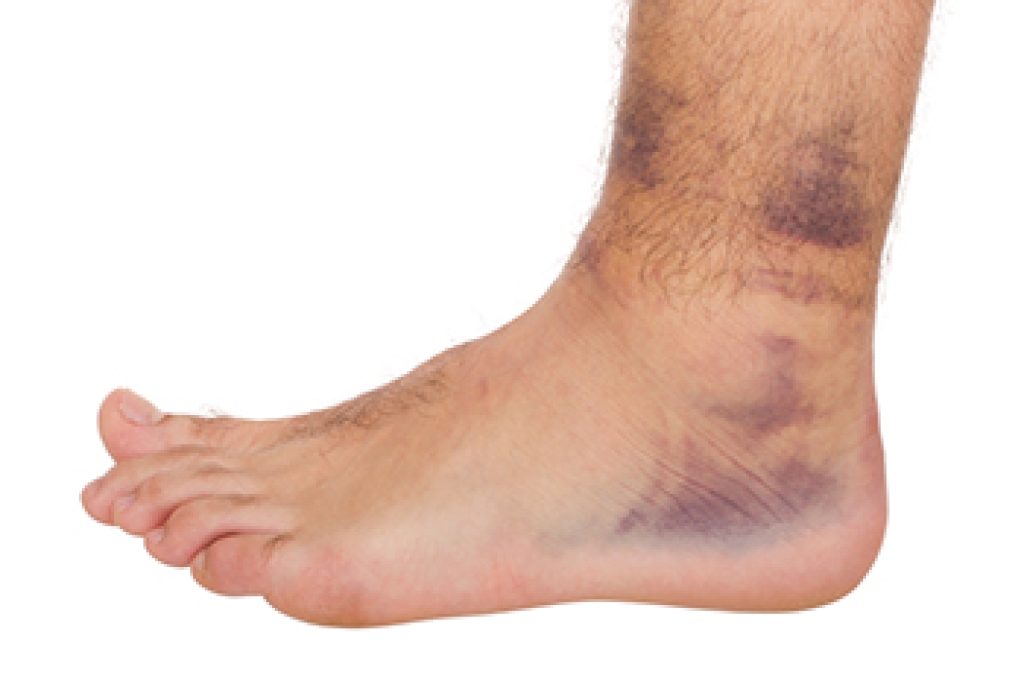
Ankle pain is discomfort that affects the joint connecting the foot and lower leg, an area that supports movement of the toes and calves while allowing stability during daily activities. Symptoms can include swelling, tenderness, changes in gait, deformity of the ankle, difficulty moving the ankle or toes, and an inability to bear weight. These issues may come from injury, arthritis, or structural problems. A podiatrist can evaluate the joint, provide a precise diagnosis, offer treatments that improve mobility, reduce pain, and prevent further injury. If you have ankle pain, it is suggested that you seek expert podiatric care to restore comfort and function, beginning your path to relief.

Ankle pain can have many different causes and the pain may potentially be serious. If you have ankle pain, consult with Michele Kraft, DPM from Toes on the Go. Our doctor will assess your condition and provide you with quality foot and ankle treatment.

Ankle pain is any condition that causes pain in the ankle. Due to the fact that the ankle consists of tendons, muscles, bones, and ligaments, ankle pain can come from a number of different conditions.

Causes

The most common causes of ankle pain include:

  • Types of arthritis (rheumatoid, osteoarthritis, and gout)
  • Ankle sprains
  • Broken ankles
  • Achilles tendinitis
  • Achilles tendon rupture
  • Stress fractures
  • Tarsal tunnel syndrome
  • Plantar fasciitis

Symptoms

Symptoms of ankle injury vary based upon the condition. Pain may include general pain and discomfort, swelling, aching, redness, bruising, burning or stabbing sensations, and/or loss of sensation.

Diagnosis

Due to the wide variety of potential causes of ankle pain, podiatrists will utilize a number of different methods to properly diagnose ankle pain. This can include asking for personal and family medical histories and of any recent injuries. Further diagnosis may include sensation tests, a physical examination, and potentially x-rays or other imaging tests.

Treatment

Just as the range of causes varies widely, so do treatments. Some more common treatments are rest, ice packs, keeping pressure off the foot, orthotics and braces, medication for inflammation and pain, and surgery.

If you have any questions please feel free to contact our office located in Carmel, CA . We offer the newest diagnostic tools and technology to treat your foot and ankle needs.
Read more about Ankle Pain

Risk Factors for Plantar Warts

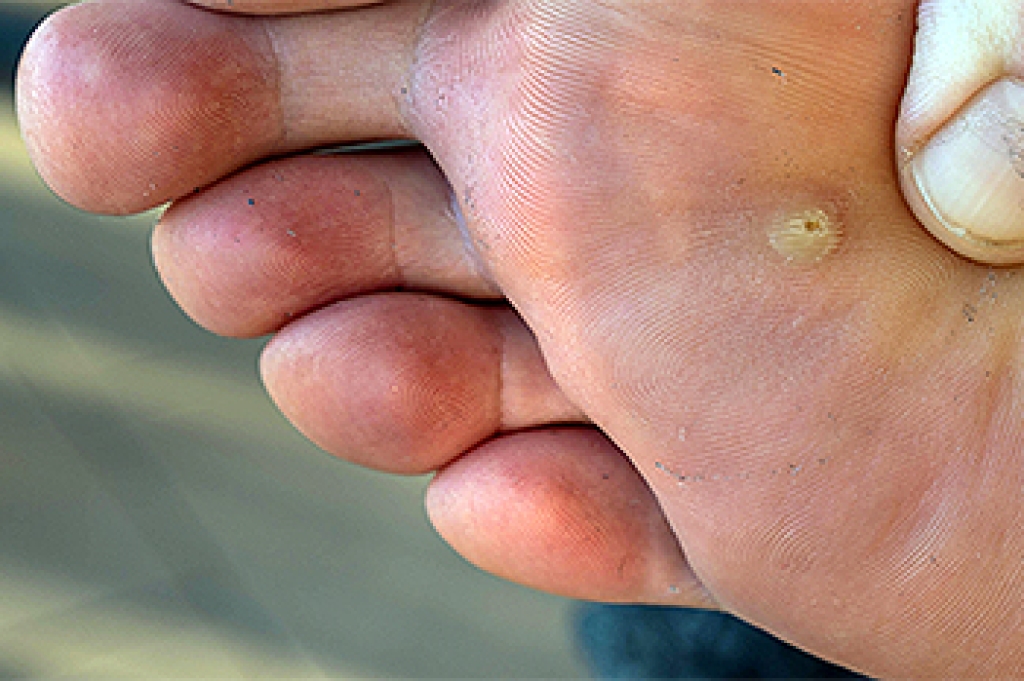
Plantar warts are growths that develop on the bottom of the foot due to a viral infection in the skin. They can become very painful, especially when they form on weight-bearing areas, making standing or walking uncomfortable. These warts are caused by the human papillomavirus, or HPV, which enters the skin through small cuts or weak spots. Symptoms include a rough patch of skin, tiny black dots in the center, and tenderness when pressure is applied. Children and teenagers are most vulnerable because their immune systems are still developing. The virus spreads in warm and moist environments such as locker rooms and pools. Plantar warts can be painful as they grow inward on the sole of the foot as a result of walking and standing. A podiatrist can provide effective treatments that remove discomfort and prevent recurrence. If you have developed a plantar wart, it is suggested that you promptly schedule an appointment with a podiatrist who can offer effective relief and treatment solutions.

Plantar warts can be very uncomfortable. If you need your feet checked, contact Michele Kraft, DPM from Toes on the Go. Our doctor will assist you with all of your foot and ankle needs.

About Plantar Warts

Plantar warts are the result of HPV, or human papillomavirus, getting into open wounds on the feet. They are mostly found on the heels or balls of the feet.

While plantar warts are generally harmless, those experiencing excessive pain or those suffering from diabetes or a compromised immune system require immediate medical care. Plantar warts are easily diagnosed, usually through scraping off a bit of rough skin or by getting a biopsy.

Symptoms

  • Lesions on the bottom of your feet, usually rough and grainy
  • Hard or thick callused spots
  • Wart seeds, which are small clotted blood vessels that look like little black spots
  • Pain, discomfort, or tenderness of your feet when walking or standing

Treatment

  • Freezing
  • Electric tool removal
  • Laser Treatment
  • Topical Creams (prescription only)
  • Over-the-counter medications

To help prevent developing plantar warts, avoid walking barefoot over abrasive surfaces that can cause cuts or wounds for HPV to get into. Avoiding direct contact with other warts, as well as not picking or rubbing existing warts, can help prevent the further spread of plantar warts. However, if you think you have developed plantar warts, speak to your podiatrist. He or she can diagnose the warts on your feet and recommend the appropriate treatment options.

If you have any questions, please feel free to contact our office located in Carmel, CA . We offer the newest diagnostic and treatment technologies for all your foot care needs.

Read more about What Are Plantar Warts?

Types of Skin Ulcers Affecting the Feet

Skin ulcers on the feet are open sores that form when the skin and underlying tissue break down due to poor circulation, nerve damage, or constant pressure. Pressure ulcers develop on the heels or ankles when prolonged pressure reduces blood flow to the skin. Venous ulcers form above the ankle when veins fail to circulate blood properly, causing fluid buildup and skin damage. Arterial ulcers appear on the toes, ankles, or between toes when  blood flow is reduced by narrowed arteries, leaving the skin deprived of oxygen. Neuropathic ulcers, often seen in people with diabetes, occur on weight-bearing areas like the ball of the foot. Nerve damage prevents pain sensation, allowing minor injuries to worsen unnoticed. A podiatrist can diagnose the cause, promote healing, and help prevent limb loss. If you notice sores on the feet that do not heal properly, it is suggested that you make an appointment with a podiatrist for a diagnosis and treatment options.

Wound care is an important part in dealing with diabetes. If you have diabetes and a foot wound or would like more information about wound care for diabetics, consult with Michele Kraft, DPM from Toes on the Go. Our doctor will assess your condition and provide you with quality foot and ankle treatment.

What Is Wound Care?

Wound care is the practice of taking proper care of a wound. This can range from the smallest to the largest of wounds. While everyone can benefit from proper wound care, it is much more important for diabetics. Diabetics often suffer from poor blood circulation which causes wounds to heal much slower than they would in a non-diabetic. 

What Is the Importance of Wound Care?

While it may not seem apparent with small ulcers on the foot, for diabetics, any size ulcer can become infected. Diabetics often also suffer from neuropathy, or nerve loss. This means they might not even feel when they have an ulcer on their foot. If the wound becomes severely infected, amputation may be necessary. Therefore, it is of the upmost importance to properly care for any and all foot wounds.

How to Care for Wounds

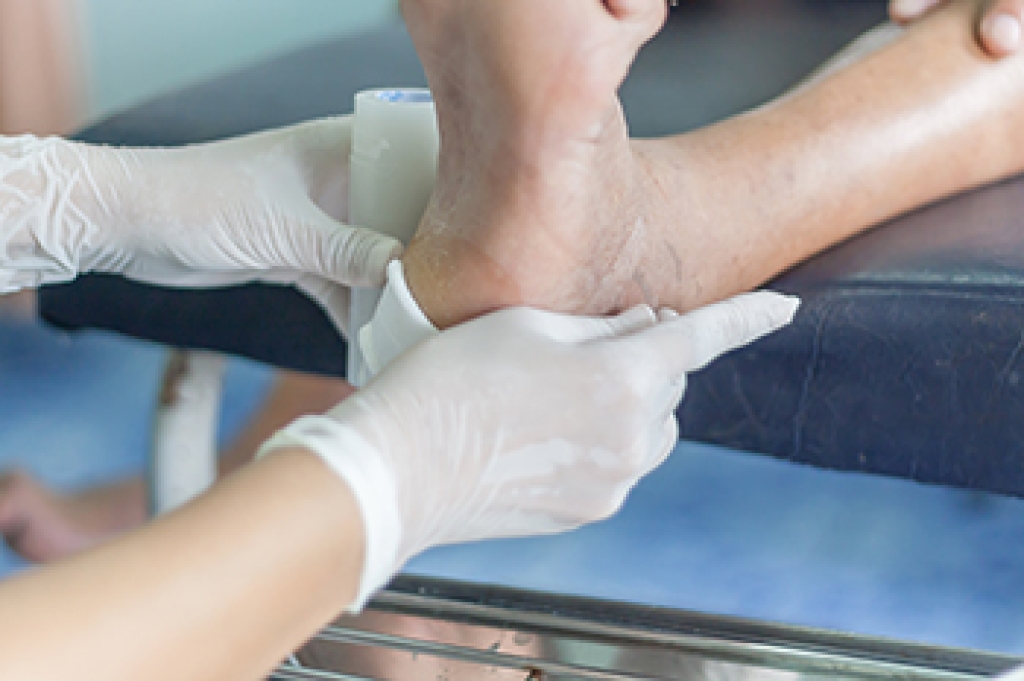
The best way to care for foot wounds is to prevent them. For diabetics, this means daily inspections of the feet for any signs of abnormalities or ulcers. It is also recommended to see a podiatrist several times a year for a foot inspection. If you do have an ulcer, run the wound under water to clear dirt from the wound; then apply antibiotic ointment to the wound and cover with a bandage. Bandages should be changed daily and keeping pressure off the wound is smart. It is advised to see a podiatrist, who can keep an eye on it.

If you have any questions please contact our office located in Carmel, CA . We offer the newest diagnostic and treatment technologies for all your foot and ankle needs.

Read more about Wound Care

Reminder: When Was the Last Time...?

Custom orthotics, or shoe inserts, should be periodically replaced. Orthotics must fit properly to give you the best results. Protect your feet and ankles!

What Causes Athlete’s Foot?

Athlete's foot is a common fungal infection that affects the skin of the feet, often occurring between the toes. Symptoms include a burning or itchy sensation, scaly, dry, cracked, or peeling skin, blisters on the feet, and sometimes a noticeable odor. This condition is caused by fungi that thrive in warm, moist environments such as shoes, locker rooms, and swimming areas. Athlete's foot can spread easily, if left untreated, leading to discomfort and skin damage. A podiatrist can accurately diagnose the infection, recommend antifungal treatments, and provide guidance on proper foot hygiene and footwear to prevent recurrence. If you have persistent itching, burning, or peeling skin on your feet, it is suggested that you consult a podiatrist who can offer effective treatment solutions, which may include prescribed medication.

Athlete’s Foot

Athlete’s foot is often an uncomfortable condition to experience. Thankfully, podiatrists specialize in treating athlete’s foot and offer the best treatment options. If you have any questions about athlete’s foot, consult with Michele Kraft, DPM from Toes on the Go. Our doctor will assess your condition and provide you with quality treatment.

What Is Athlete’s Foot?

Tinea pedis, more commonly known as athlete’s foot, is a non-serious and common fungal infection of the foot. Athlete’s foot is contagious and can be contracted by touching someone who has it or infected surfaces. The most common places contaminated by it are public showers, locker rooms, and swimming pools. Once contracted, it grows on feet that are left inside moist, dark, and warm shoes and socks.

Prevention

The most effective ways to prevent athlete’s foot include:

  • Thoroughly washing and drying feet
  • Avoid going barefoot in locker rooms and public showers
  • Using shower shoes in public showers
  • Wearing socks that allow the feet to breathe
  • Changing socks and shoes frequently if you sweat a lot

Symptoms

Athlete’s foot initially occurs as a rash between the toes. However, if left undiagnosed, it can spread to the sides and bottom of the feet, toenails, and if touched by hand, the hands themselves. Symptoms include:

  • Redness
  • Burning
  • Itching
  • Scaly and peeling skin

Diagnosis and Treatment

Diagnosis is quick and easy. Skin samples will be taken and either viewed under a microscope or sent to a lab for testing. Sometimes, a podiatrist can diagnose it based on simply looking at it. Once confirmed, treatment options include oral and topical antifungal medications.

If you have any questions, please feel free to contact our office located in Carmel, CA . We offer the newest diagnostic and treatment technologies for all your foot care needs.

Read more about How to Deal with Athlete's Foot

Ankle Sprain Facts

An ankle sprain occurs when the ligaments that support the ankle stretch or tear, often caused by a sudden twist, fall, or misstep. Symptoms include pain, swelling, bruising, and difficulty bearing weight. Common causes involve sports injuries, uneven surfaces, or unstable footwear. Early treatment is vital to prevent long-term weakness or instability. A podiatrist can evaluate the severity of an ankle sprain through an examination and imaging tests, provide proper bracing, and guide the safe return to activity. Timely care ensures full recovery and helps prevent future sprains. If you have sprained your ankle, it is suggested that you promptly consult a podiatrist who can offer treatment solutions that are right for you.

Ankle sprains are common but need immediate attention. If you need your feet checked, contact Michele Kraft, DPM from Toes on the Go. Our doctor can provide the care you need to keep you pain-free and on your feet.

How Does an Ankle Sprain Occur?

Ankle sprains take place when the ligaments in your ankle are torn or stretched beyond their limits. There are multiple ways that the ankle can become injured, including twisting or rolling over onto your ankle, putting undue stress on it, or causing trauma to the ankle itself.

What Are the Symptoms?

  • Mild to moderate bruising
  • Limited mobility
  • Swelling
  • Discoloration of the skin (depending on severity)

Preventing a Sprain

  • Wearing appropriate shoes for the occasion
  • Stretching before exercises and sports
  • Knowing your limits

Treatment of a Sprain

Treatment of a sprain depends on the severity.  Many times, people are told to rest and remain off their feet completely, while others are given an air cast. If the sprain is very severe, surgery may be required.

If you have suffered an ankle sprain previously, you may want to consider additional support such as a brace and regular exercises to strengthen the ankle.

If you have any questions please feel free to contact our office located in Carmel, CA . We offer the newest diagnostic tools and technology to treat your foot and ankle needs.

Read more about Three Grades of Ankle Sprains

Preventing Falls in the Workplace

Preventing falls at work begins with maintaining a safe environment and following proper safety practices. Regularly inspecting work areas for hazards, using the right equipment, and following safety procedures reduces the risk of slips and trips. Wearing proper footwear with good traction and support is essential, especially in environments with uneven surfaces or wet floors. Being aware of weather conditions, such as rain or ice, helps prevent outdoor accidents. A podiatrist can assess foot health, recommend supportive shoes or custom orthotics, and address pain or balance issues that may increase fall risk. It is suggested that you schedule an appointment today with a podiatrist for foot care that supports safety and stability at work.

Preventing falls among the elderly is very important. If you are older and have fallen or fear that you are prone to falling, consult with Michele Kraft, DPM from Toes on the Go. Our doctor will assess your condition and provide you with quality advice and care.

Every 11 seconds, an elderly American is being treated in an emergency room for a fall related injury. Falls are the leading cause of head and hip injuries for those 65 and older. Due to decreases in strength, balance, senses, and lack of awareness, elderly persons are very susceptible to falling. Thankfully, there are a number of things older persons can do to prevent falls.

How to Prevent Falls

Some effective methods that older persons can do to prevent falls include:

  • Enrolling in strength and balance exercise program to increase balance and strength
  • Periodically having your sight and hearing checked
  • Discuss any medications you have with a doctor to see if it increases the risk of falling
  • Clearing the house of falling hazards and installing devices like grab bars and railings
  • Utilizing a walker or cane
  • Wearing shoes that provide good support and cushioning
  • Talking to family members about falling and increasing awareness

Falling can be a traumatic and embarrassing experience for elderly persons; this can make them less willing to leave the house, and less willing to talk to someone about their fears of falling. Doing such things, however, will increase the likelihood of tripping or losing one’s balance. Knowing the causes of falling and how to prevent them is the best way to mitigate the risk of serious injury.  

If you have any questions, please feel free to contact our office located in Carmel, CA . We offer the newest diagnostic and treatment technologies for all your foot care needs.

Read more about Falls Prevention

Stop Ankle Pain From Slowing You Down

Ankle pain is a common complaint that can make daily activities difficult. It is an uncomfortable sensation or ache in one or both of the ankle joints. Possible causes are varied. They include minor sprains, strains, fractures, arthritis, or tendon inflammation. The feeling is often described as a throbbing, sharp, or burning pain, sometimes accompanied by stiffness and swelling. It may hurt when you walk or bear weight. Prevention is key. Choose supportive footwear, maintain a healthy weight, and always stretch properly before exercise. Additionally, build strength in your lower legs and ankles. If pain does strike, rest and elevation are important first steps, and gentle compression may reduce swelling. A podiatrist can accurately diagnose the issue and offer specialized treatments, such as custom orthotics or targeted exercises for effective relief. If your pain is severe, if you cannot bear weight, or if swelling persists for more than two days, it is suggested that you consult a podiatrist for appropriate treatment solutions.

Ankle pain can be caused by a number of problems and may be potentially serious. If you have ankle pain, consult with Michele Kraft, DPM from Toes on the Go. Our doctor will assess your condition and provide you with quality foot and ankle treatment.

Ankle pain is any condition that causes pain in the ankle. Due to the fact that the ankle consists of tendons, muscles, bones, and ligaments, ankle pain can come from a number of different conditions.

Causes

The most common causes of ankle pain include:

  • Types of arthritis (rheumatoid, osteoarthritis, and gout)
  • Ankle sprains
  • Broken ankles
  • Achilles tendonitis
  • Achilles tendon rupture
  • Stress fractures
  • Bursitis
  • Tarsal tunnel syndrome
  • Plantar fasciitis

Symptoms

Symptoms of ankle injury vary based upon the condition. Pain may include general pain and discomfort, swelling, aching, redness, bruising, burning or stabbing sensations, and/or loss of sensation.

Diagnosis

Due to the wide variety of potential causes of ankle pain, podiatrists will utilize a number of different methods to properly diagnose ankle pain. This can include asking for personal and family medical histories and of any recent injuries. Further diagnosis may include sensation tests, a physical examination, and potentially x-rays or other imaging tests.

Treatment

Just as the range of causes varies widely, so do treatments. Some more common treatments are rest, ice packs, keeping pressure off the foot, orthotics and braces, medication for inflammation and pain, and surgery.

If you have any questions please feel free to contact our office located in Carmel, CA . We offer the newest diagnostic tools and technology to treat your foot and ankle needs.
Read more about Various Causes of Ankle Pain

Maintaining Foot Health in Older Adults

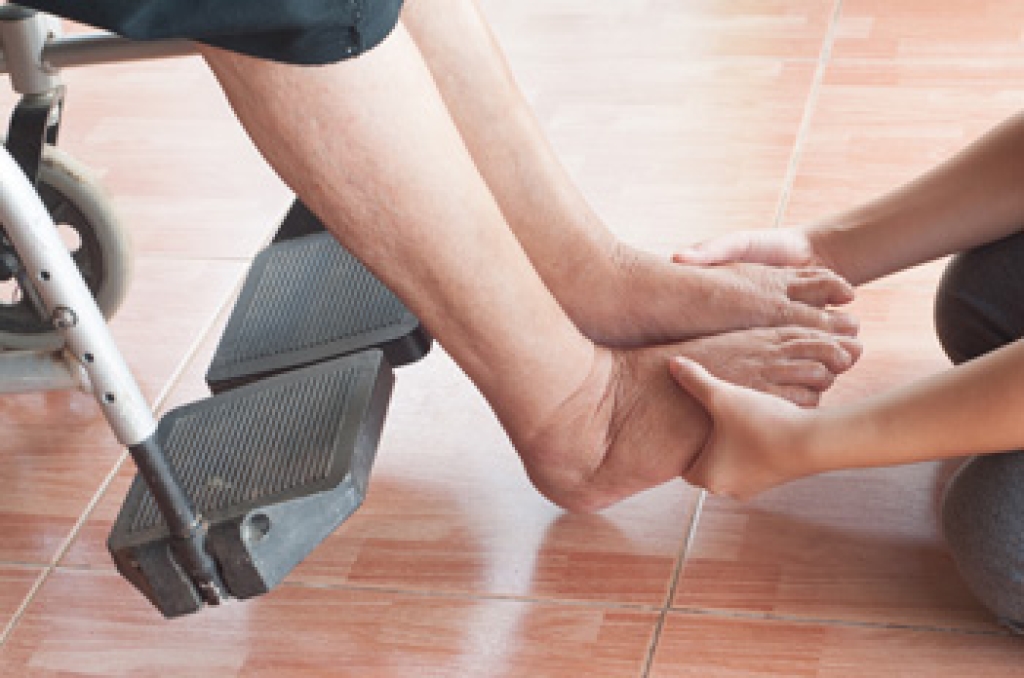
As people age, changes in circulation, skin texture, and joint flexibility can make the feet more vulnerable to discomfort and injury. Common concerns for seniors include dry skin, thick toenails, corns, calluses, and swelling. Chronic conditions such as diabetes or arthritis can further increase the risk of infection, ulcers, or mobility issues. Regular foot inspections are important for spotting early signs of irritation or sores that may not heal easily. Wearing supportive, properly fitted shoes help maintain balance and reduce the risk of falls. Keeping the skin moisturized, trimming nails safely, and elevating the feet to reduce swelling all promote comfort and circulation. Healthy feet help older adults stay active, independent, and confident in their daily lives. If you are a senior, or taking care of a senior, it is suggested that you schedule routine visits with a podiatrist to ensure that any developing problems are treated promptly.

If you need your feet checked, contact Michele Kraft, DPM of Toes on the Go. Our doctor will attend to all of your foot and ankle needs and provide you with quality treatment.

Geriatrics and Podiatry
When people age, some common issues that may occur are bone density loss, dry skin, poor circulation, and rough brittle nails. These issues may also affect your foot health if the necessary steps are not taken to alleviate the problems.

It is important to take care of your feet because feet that are injured or diseased can affect your overall health. Having painful feet hinders your ability to do daily activities or may decrease your willingness to do the things that you need to do.

Visiting Your Geriatrician
As we age, health problems become more likely, so it is essential to visit your doctor for check-ups to ensure that you are doing the best you can to take care of your health. It is recommended to check your feet frequently for any possible cuts, bruises, swelling, corns or any other irregularities. 

Taking Care of Elderly Feet
Cracked or dry feet can be treated by applying moisturizer often. It is also important not to wear old socks because the older the sock is, the higher the possibility there will be that there is bacteria there. Wear fresh socks and make sure they fit properly.

Proper foot health means that you can have a more active lifestyle and you will not be bogged down by pain. Foot health also leads to good circulation, which is paramount for overall health.

If you have any questions, please feel free to contact our office located in Carmel, CA . We offer the newest diagnostic and treatment technologies for all your foot care needs.

Read more about Geriatrics and Podiatry

Are You Suffering From Ingrown Toenails?

If left untreated, an ingrown toenail can lead to more serious concerns, such as an infection. Knowing proper nail care can help in the prevention of an ingrown toenail. Give us a call, and get treated!

Connect With Us