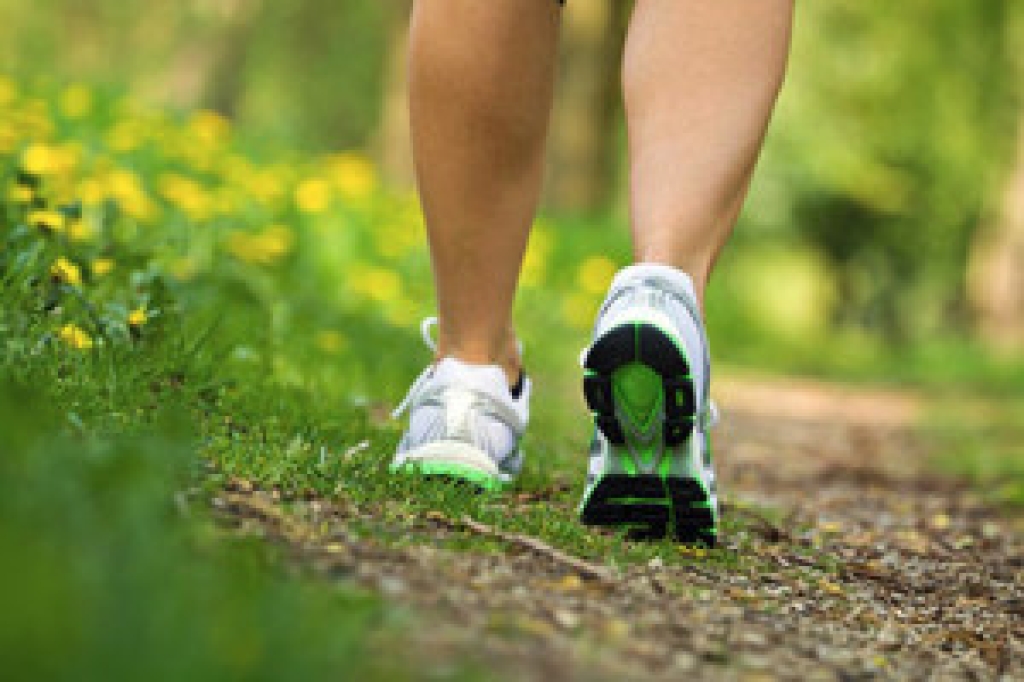
Walking shoes and running shoes are designed to support different movement patterns and impact levels. Walking involves a smooth rolling motion from heel to toe with consistent ground contact, while running creates greater impact forces that require more cushioning and shock absorption. Walking shoes tend to offer flexibility and support for steady motion, while running shoes provide enhanced cushioning and stability for higher intensity activity. Wearing the wrong type of shoe can lead to foot conditions such as plantar fasciitis, shin discomfort, blisters, and joint strain. Choosing the correct footwear helps improve comfort and performance. A podiatrist can assess gait, recommend proper shoes, and provide custom orthotics, if needed. If you have developed foot pain from wearing the wrong shoes for your desired activity, it is suggested that you consult a podiatrist who can offer effective relief tips.
You should always make sure your running shoes fit properly in order to avoid injury. For more information, contact Michele Kraft, DPM from Toes on the Go. Our doctor can provide the care you need to keep you pain-free and on your feet.
Choosing the Right Running Shoe for Your Foot Type
Improper shoe sizing can cause a myriad of problems for your feet. Shoes that don’t fit you properly can lead to muscular imbalances in your body, which can result in foot, knee, and hip injuries.
Tips for Finding the Right Running Shoe
- Make sure you have a thumb’s width of wiggle room between the end of your longest toe and the front of the shoe.
- There should be little to no slipping at the heel
- Don’t assume your size in one shoe brand will be your size in another
- Do not lace up your shoes too tightly
- Walk around in the store with your new shoes before you buy them
If you have any questions, please feel free to contact our office located in Carmel, CA . We offer the newest diagnostic and treatment technologies for all your foot care needs.
