Definition and Risk Factors of Gout

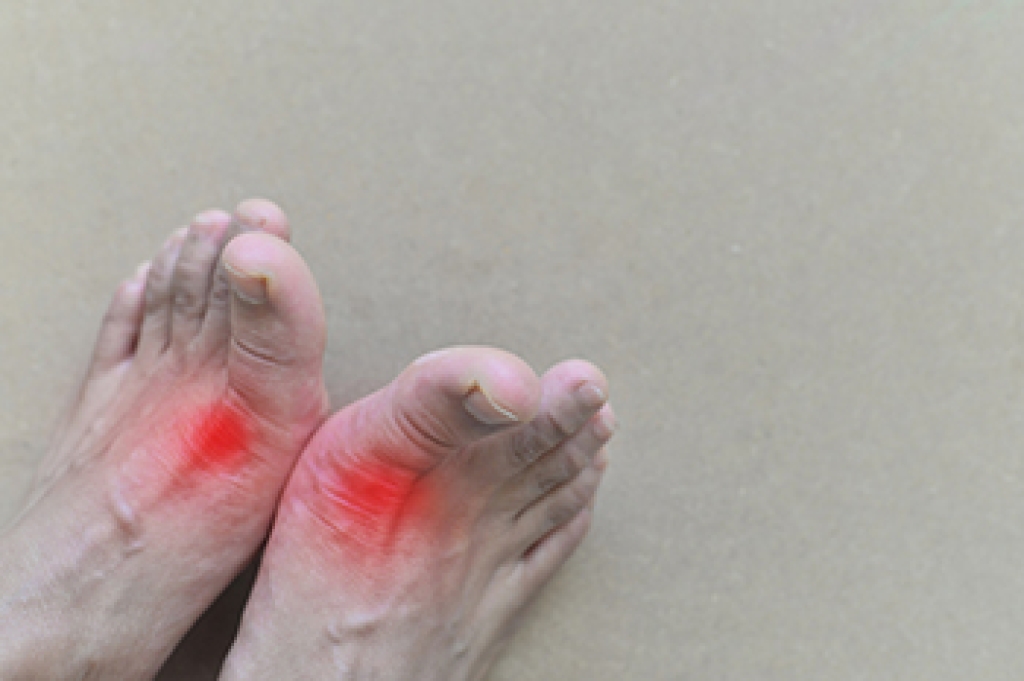
Gout is a form of inflammatory arthritis caused by a buildup of uric acid in the body, leading to the formation of sharp crystals within joints. When uric acid levels rise, the body cannot eliminate it effectively, allowing crystals to accumulate and trigger inflammation. This process often affects the big toe, where sudden pain, redness, swelling, and warmth can develop. Symptoms may appear rapidly and become severe, making walking difficult. Risk factors include diet, genetics, certain medical conditions, and reduced kidney function. A podiatrist can diagnose gout, manage flare-ups, and recommend treatments to reduce pain and prevent recurrence. Gout can be painful and may cause difficulty in completing daily activities. If you have symptoms of gout, it is strongly suggested that you are under the care of a podiatrist who can help you to manage this painful condition.

Gout is a foot condition that requires certain treatment and care. If you are seeking treatment, contact Michele Kraft, DPM from Toes on the Go. Our doctor will treat your foot and ankle needs.

What Is Gout?

Gout is a type of arthritis caused by a buildup of uric acid in the bloodstream. It often develops in the foot, especially the big toe area, although it can manifest in other parts of the body as well. Gout can make walking and standing very painful and is especially common in diabetics and the obese.

People typically get gout because of a poor diet. Genetic predisposition is also a factor. The children of parents who have had gout frequently have a chance of developing it themselves.

Gout can easily be identified by redness and inflammation of the big toe and the surrounding areas of the foot. Other symptoms include extreme fatigue, joint pain, and running high fevers. Sometimes corticosteroid drugs can be prescribed to treat gout, but the best way to combat this disease is to get more exercise and eat a better diet.

If you have any questions, please feel free to contact our office located in Carmel, CA . We offer the newest diagnostic and treatment technologies for all your foot care needs.
Read more about Gout

Why Live with Pain and Numbness in Your Feet?

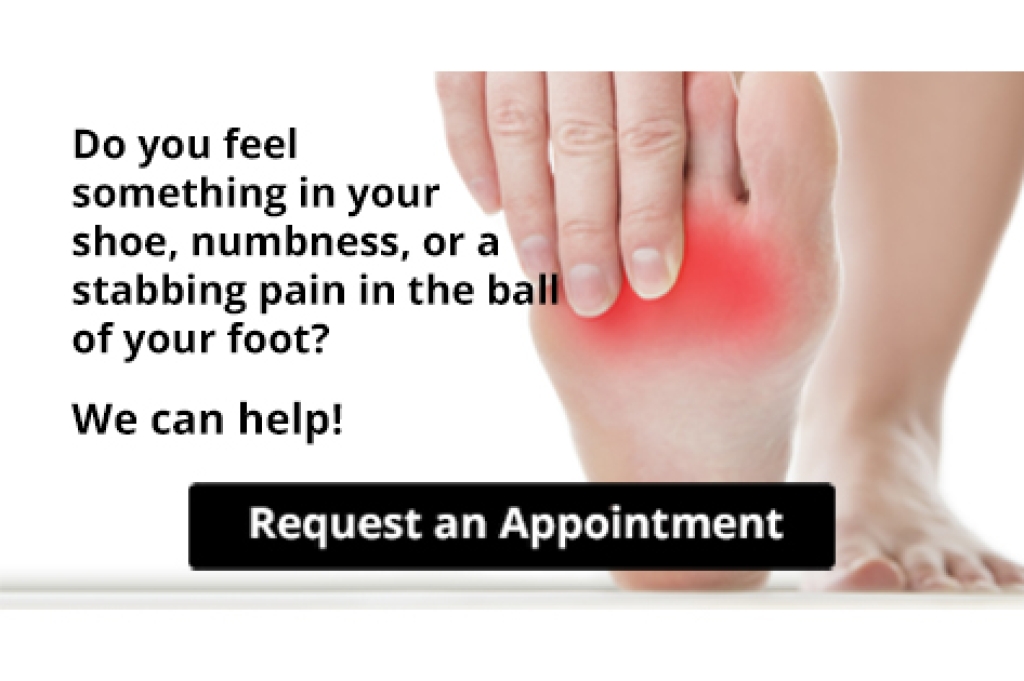
Suffering from this type of pain? You may have the foot condition known as Morton's neuroma. Morton's neuroma may develop as a result of ill-fitting footwear and existing foot deformities. We can help.

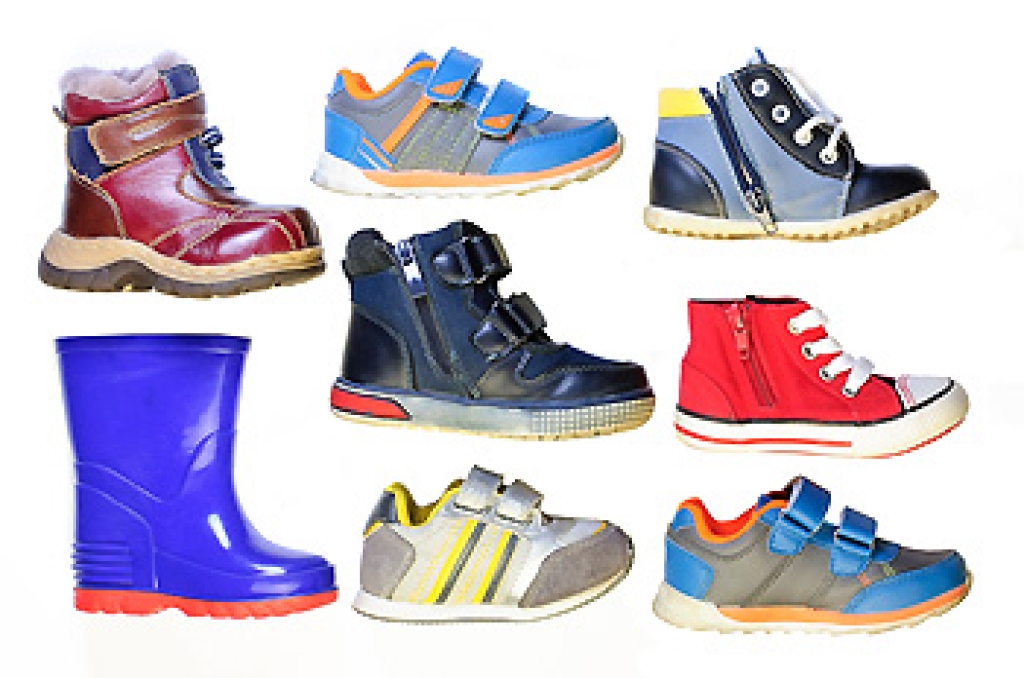
Choosing Comfortable Shoes for Children and Supporting Healthy Feet

Selecting the right shoes for children is important for comfort and healthy foot development. In recent studies, children may believe that comfort equates to softness, which may depend on the  age of the child. A well-fitting shoe should provide gentle support, allow natural motion, and avoid pressure on growing feet. Shoes that are too tight or poorly structured can lead to discomfort and conditions like blisters or foot fatigue. Children may not always express discomfort, so observing how they walk and play is essential. A podiatrist can assess foot growth, recommend proper footwear, and address any concerns early. If you have concerns about your child's feet and what shoes they should be wearing, it is suggested that you consult a podiatrist who can provide necessary treatment and offer you informational guidance and helpful tips.

The health of a child’s feet is vital to their overall well-being. If you have any questions regarding foot health, contact Michele Kraft, DPM of Toes on the Go. Our doctor can provide the care you need to keep you pain-free and on your feet.

Tips for Keeping Children's Feet Healthy

  • Make sure their shoes fit properly
  • Look for any signs of in-toeing or out-toeing
  • Check to see if they have Clubfoot (condition that affects your child’s foot and ankle, twisting the heel and toes inward) which is one of the most common nonmajor birth defects.
  • Lightly cover your baby’s feet (Tight covers may keep your baby from moving their feet freely, and could prevent normal development)
  • Allow your toddler to go shoeless (Shoes can be restricting for a young child’s foot)
  • Cut toenails straight across to avoid ingrown toenails
  • Keep your child’s foot clean and dry
  • Cover cuts and scrapes. Wash any scratches with soap and water and cover them with a bandage until they’ve healed.

If you have any questions, please feel free to contact our office located in Carmel, CA . We offer the newest diagnostic and treatment technologies for all your foot care needs.
Read more about How to Care for Your Child's Feet

Connect With Us