An ingrown toenail develops when the nail edge curves downward and presses into the skin beside it. This can cause pain, redness, and swelling. Drainage can appear when the area becomes infected. The problem affects the big toe and can make shoes uncomfortable. Improper nail trimming is a leading cause. An injury may damage the nail edge and change how it grows. A podiatrist can examine the toe and determine how deeply the nail has entered the skin.
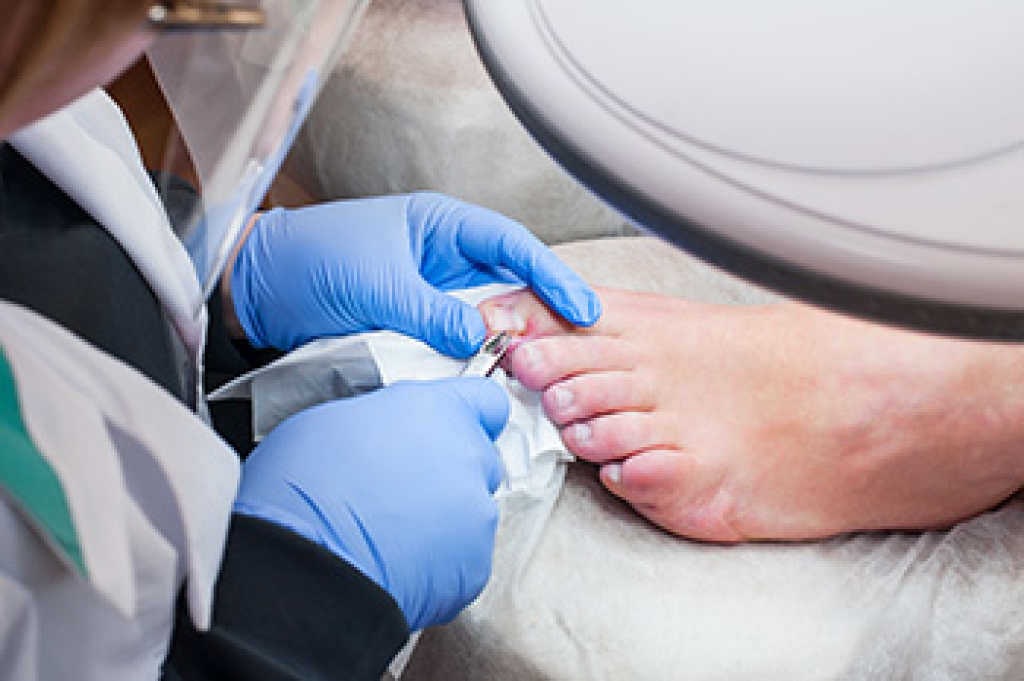
Ingrown toenail removal is a minor procedure used when symptoms are severe, infection is present, or the problem keeps returning. The podiatrist numbs the toe so the patient remains comfortable. A narrow section along the affected side of the nail is then removed. The entire nail usually does not need to be taken off. For a recurring ingrown toenail, the podiatrist can treat the growth area beneath the removed section. This helps stop that part of the nail from growing back. Excess tissue beside the nail can be removed. The toe is cleaned and covered with a bandage after the procedure.
A podiatrist provides instructions for protecting the toe as it heals. Patients can usually return to work or school the following day, although activities that place heavy pressure on the toe must be limited for a short period of time. The bandage protects the area and absorbs drainage. Follow-up care allows the podiatrist to check healing and look for signs of infection. Increasing redness, swelling, or drainage should be reported promptly. Once healing is complete, proper nail care can lower the risk of another ingrown edge. Toenails should be trimmed straight across rather than rounded deeply at the corners. Shoes should also provide enough room for the toes. If you have a painful ingrown toenail, it is suggested that you schedule an appointment with a podiatrist who can determine if this type of foot surgery is right for you.
Ingrown toenails may initially present themselves as a minor discomfort, but they may progress into an infection in the skin without proper treatment. For more information about ingrown toenails, contact Michele Kraft, DPM of Toes on the Go. Our doctor can provide the care you need to keep you pain-free and on your feet.
Ingrown Toenails
Ingrown toenails are caused when the corner or side of a toenail grows into the soft flesh surrounding it. They often result in redness, swelling, pain, and in some cases, infection. This condition typically affects the big toe and may recur if it is not treated properly.
Causes
- Improper toenail trimming
- Genetics
- Improper shoe fitting
- Injury from pedicures or nail picking
- Abnormal gait
- Poor hygiene
You are more likely to develop an ingrown toenail if you are obese, have diabetes, arthritis, or have any fungal infection in your nails. Additionally, people who have foot or toe deformities are at a higher risk of developing an ingrown toenail.
Symptoms
Some symptoms of ingrown toenails are redness, swelling, and pain. In rare cases, there may be a yellowish drainage coming from the nail.
Treatment
Ignoring an ingrown toenail can have serious complications. Infections of the nail border can progress to a deeper soft-tissue infection, which can then turn into a bone infection. You should always speak with your podiatrist if you suspect you have an ingrown toenail, especially if you have diabetes or poor circulation.
If you have any questions, please feel free to contact our office located in Carmel, CA . We offer the newest diagnostic and treatment technologies for all your foot care needs.
